Loading page...
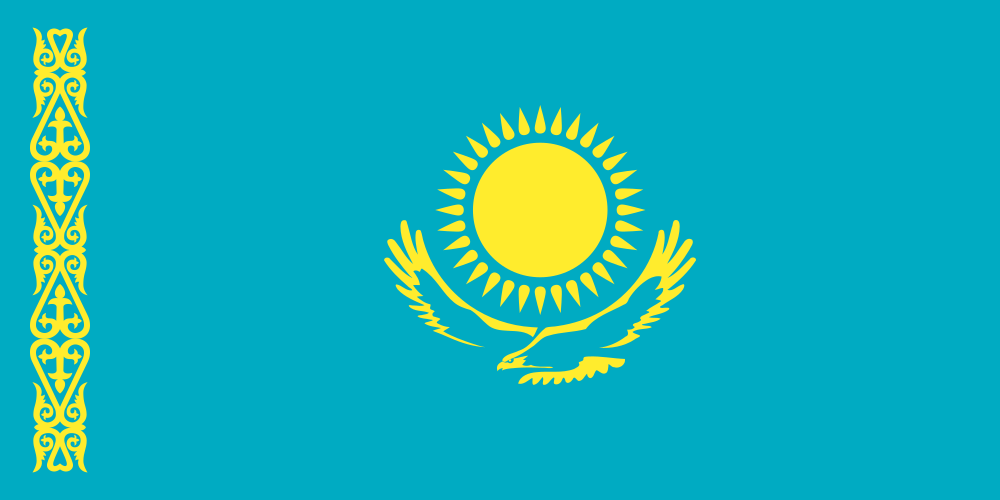
Language & Religion in Kazakhstan
A diverse and welcoming environment where linguistic and religious diversity enriches the student experience
Learn MoreLanguages in Kazakhstan
Kazakhstan's linguistic landscape reflects its rich history, multicultural population, and commitment to international education.
Kazakh
State Language
Kazakh is the state language of Kazakhstan, used in government, education, media, and daily communication. It is a Turkic language written primarily in the Cyrillic script, with a gradual Latin-script transition policy. Kazakh holds deep cultural significance and is a strong symbol of national identity and heritage.
- •Official state language
- •Turkic language family
- •Cyrillic script (transitioning to Latin)
- •Symbol of national identity
Russian
Officially Used in State Institutions
Russian also plays a major role and is widely spoken across the country, especially in urban areas. Under Kazakhstan's Constitution, Russian is officially used on equal grounds with Kazakh in state institutions and local self-government bodies, and it remains common in business, administration, and education.
- •Officially used in state institutions
- •Widely used in urban areas
- •Business and administration
- •Educational instruction
English
Growing Proficiency
Thanks to Kazakhstan's international education ties and global outreach, English proficiency is growing steadily, particularly among younger generations and university students. Many universities offer programs in English, attracting international learners.
- •Growing proficiency
- •University programs in English
- •International education focus
- •Younger generation adoption
Other Languages
Ethnic Minorities
Other languages, such as Uzbek, Ukrainian, Uyghur, and German, are spoken by ethnic minority communities, highlighting the country's rich linguistic and cultural diversity.
- •Uzbek, Ukrainian, Uyghur
- •German and other languages
- •Ethnic minority communities
- •Cultural diversity
Language Policy & Education
Kazakhstan is actively transitioning the Kazakh language from Cyrillic to Latin script, reflecting its commitment to modernization while preserving cultural identity. This transition supports international communication and aligns with global standards.
In education, media, and government, both Kazakh and Russian are widely used, ensuring accessibility for all citizens. Universities offer programs in multiple languages, with English becoming increasingly common in international programs.
For international students, language learning opportunities are abundant, with Kazakh and Russian language courses available at universities and private institutions, helping students integrate into local culture and academic life.
Religious Diversity in Kazakhstan
Kazakhstan is a secular state that promotes religious tolerance and interfaith dialogue, creating a welcoming environment for people of all faiths.
Islam
Majority Religion
The majority of Kazakhstan's population practices Islam, predominantly Sunni Islam of the Hanafi school, reflecting the country's Turkic and Central Asian heritage. Islam plays a prominent cultural and spiritual role, especially in rural areas and among the ethnic Kazakh majority.
- •Sunni Islam (Hanafi school)
- •Majority of population
- •Cultural and spiritual significance
- •Prominent in rural areas
Christianity
Significant Communities
Kazakhstan is home to a significant number of non-Muslim communities, largely composed of ethnic Russians, Ukrainians, Germans, and others, who primarily adhere to Christianity—most notably the Russian Orthodox Church, but also Roman Catholic, Protestant, and Evangelical denominations.
- •Russian Orthodox Church
- •Roman Catholic communities
- •Protestant and Evangelical
- •Ethnic minority communities
Other Faiths
Diverse Communities
The country also has smaller communities of Jews, Buddhists, and other faiths, contributing to its religious diversity.
- •Jewish communities
- •Buddhist communities
- •Other faith traditions
- •Religious diversity
Religious Tolerance
Government Policy
Kazakhstan promotes religious tolerance and interfaith dialogue, with mosques, churches, synagogues, and temples present across major cities. This peaceful coexistence of religions is supported by the government's commitment to secularism and multiculturalism, making Kazakhstan a welcoming environment for students and residents of all faiths.
- •Interfaith dialogue
- •Secular government policy
- •Peaceful coexistence
- •Welcoming for all faiths
Places of Worship & Religious Freedom
Major cities in Kazakhstan are home to mosques, churches, synagogues, and temples, reflecting the country's commitment to religious freedom and diversity. These places of worship serve as centers of community and spiritual practice for their respective faiths.
The government actively supports interfaith dialogue initiatives, bringing together leaders and communities from different religions to promote understanding and cooperation. This commitment to peaceful coexistence makes Kazakhstan a welcoming environment for students of all faiths.
International students can easily find places of worship for their faith, participate in religious communities, and observe religious holidays and practices in a supportive and respectful environment.
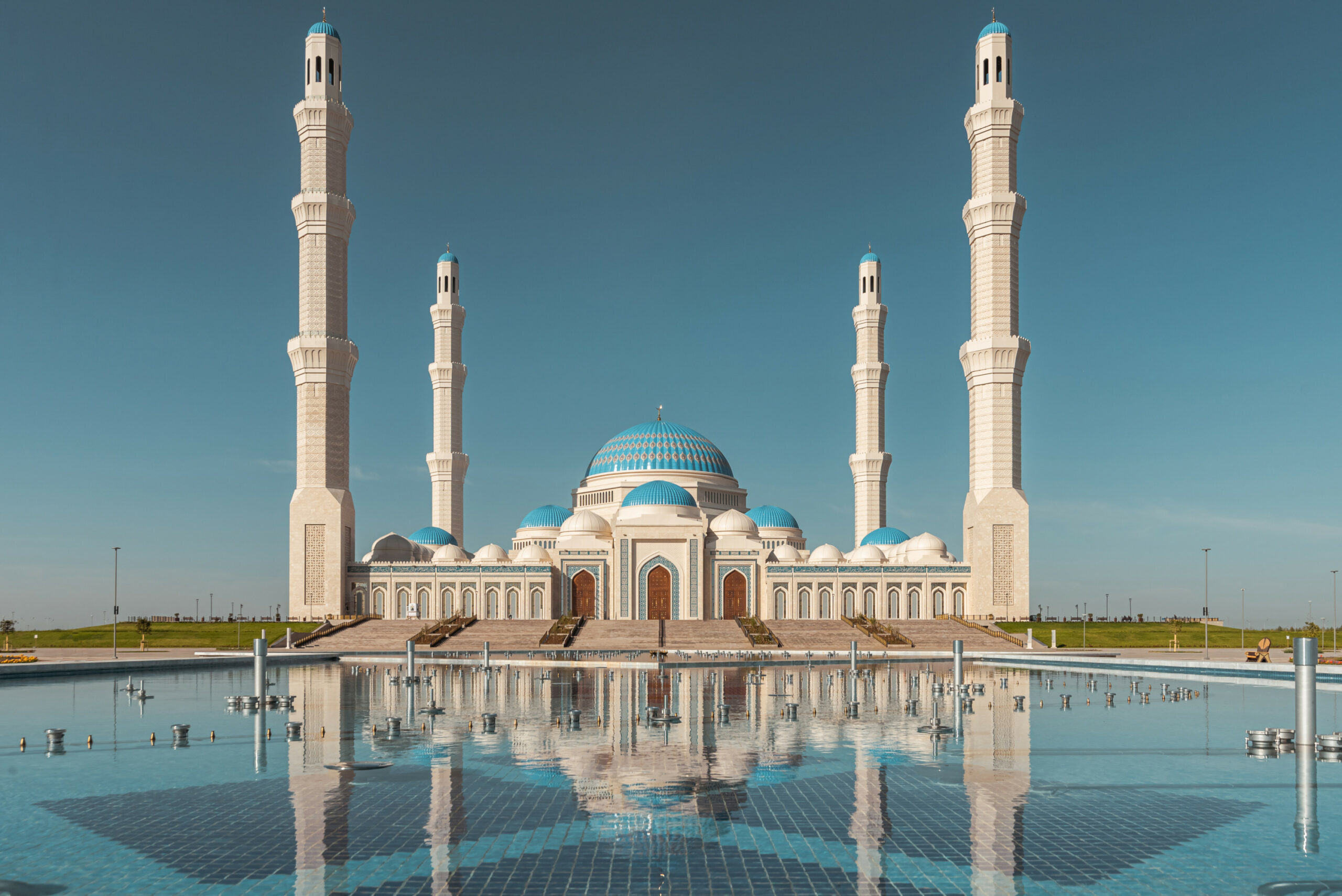
Cultural Integration Through Language & Faith
Language Connects Culture
Learning Kazakh or Russian opens doors to deeper cultural understanding, local friendships, and authentic experiences. Language is the bridge to truly connecting with Kazakhstan's rich heritage and traditions.
Religious Communities & Support
Religious communities provide support networks, cultural connection, and spiritual guidance for international students. Many universities have student religious organizations that welcome newcomers.
Language Learning Resources
Universities offer comprehensive language programs, from beginner to advanced levels. Language exchange programs connect international students with local speakers for practice and cultural exchange.
Religious Services for Students
International students can easily access religious services, find places of worship, and join faith-based student groups. Universities often provide information and support for religious observances.
Religious Holidays & Observances
Kazakhstan recognizes and respects various religious holidays. Students can observe their religious practices and holidays, with many universities accommodating religious observances in academic schedules.
Multicultural Environment
The diversity of languages and religions creates a rich, multicultural environment that enriches the student experience, promoting understanding, tolerance, and global citizenship.
Language Learning Support
University Programs
Most universities offer Kazakh and Russian language courses for international students, from beginner to advanced levels, helping you integrate into academic and social life.
Language Exchange
Connect with local students for language exchange opportunities. Practice Kazakh or Russian while helping others learn your native language.
Private Institutions
Numerous private language schools and tutors are available in major cities, offering flexible schedules and personalized instruction.