Loading page...
Food Culture in Kazakhstan
A practical look at traditional dishes, student meal options, and everyday eating in Kazakhstan
A Culinary Heritage Rooted in Tradition
Kazakhstan boasts a rich and diverse culinary heritage, shaped by its nomadic roots, Central Asian traditions, and influences from Russian, Turkish, and Uyghur cuisines. The country's vast geography and multicultural population have given rise to a unique blend of flavors, cooking techniques, and traditional dishes that reflect its history, climate, and lifestyle.
From hearty meat dishes that sustained nomads across the steppes to delicate pastries and fermented beverages, Kazakh cuisine tells the story of a people deeply connected to their land and traditions. For students, that also means there are plenty of filling meals, but not every dish will suit every diet. In everyday student life, canteens, bakeries, supermarkets, and simple home cooking usually matter more than the ceremonial dishes shown below.
Traditional Dishes
Useful if you want to understand the food, but you do not need to eat every traditional dish to live well as a student
main
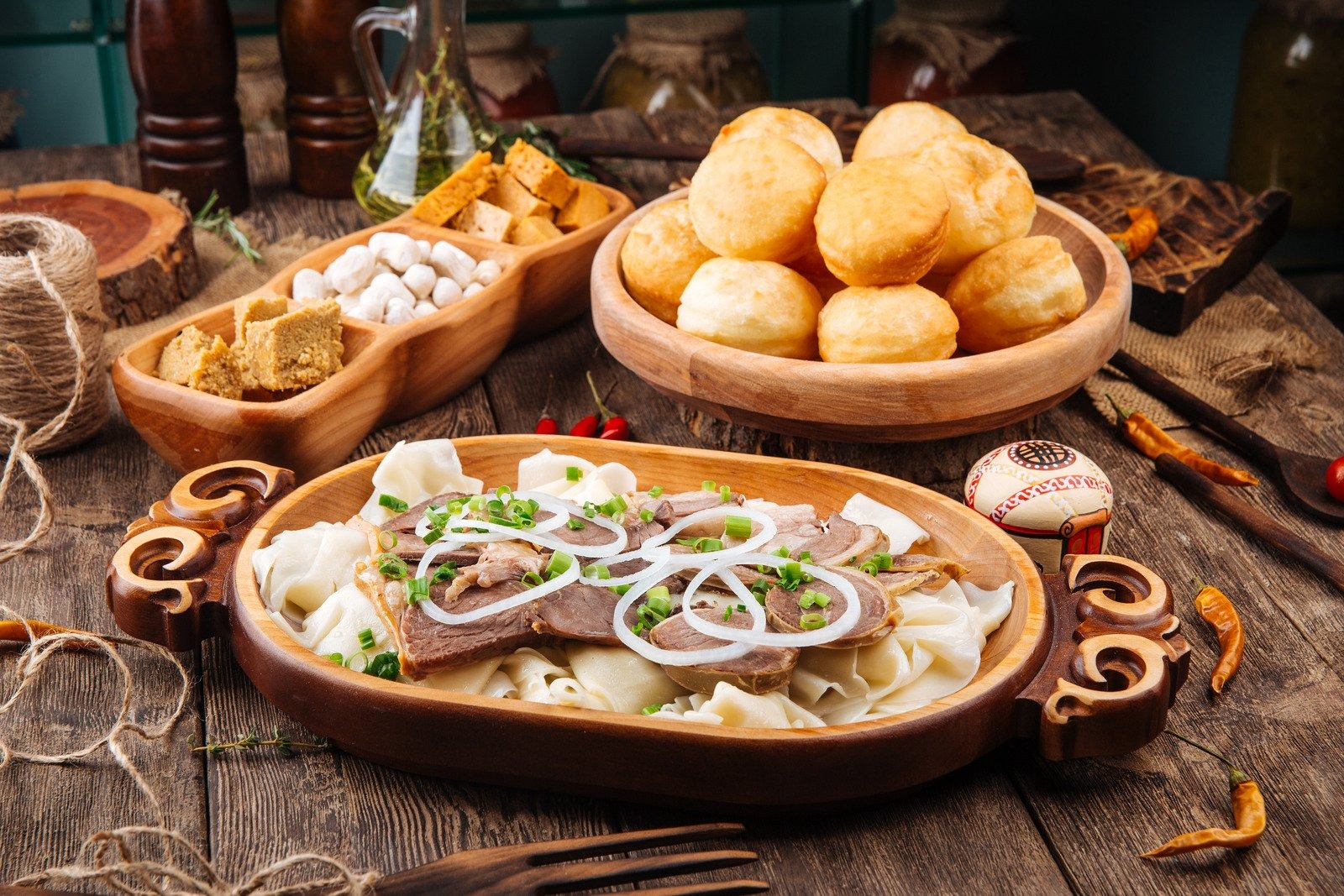
Beshbarmak
The National Dish
Meaning 'five fingers,' Beshbarmak is Kazakhstan's national dish and is traditionally eaten by hand. It consists of boiled horse meat or beef, served over wide, flat noodles, and topped with onion broth. It's often enjoyed during festive gatherings and symbolizes hospitality and respect.
appetizer
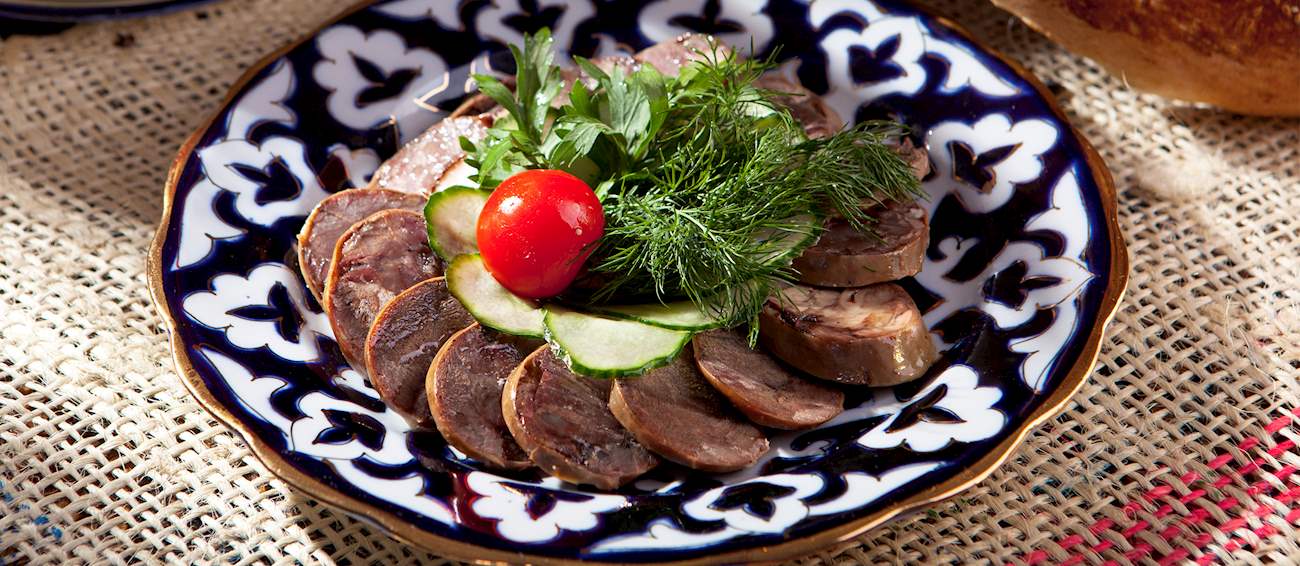
Kazy
Horse Meat Sausage
A highly prized delicacy made from horse rib meat, Kazy is seasoned, stuffed into intestines, and air-dried or boiled. Often served with Beshbarmak or cold appetizers, it's considered a luxury and is traditionally offered to guests during important meals.
main
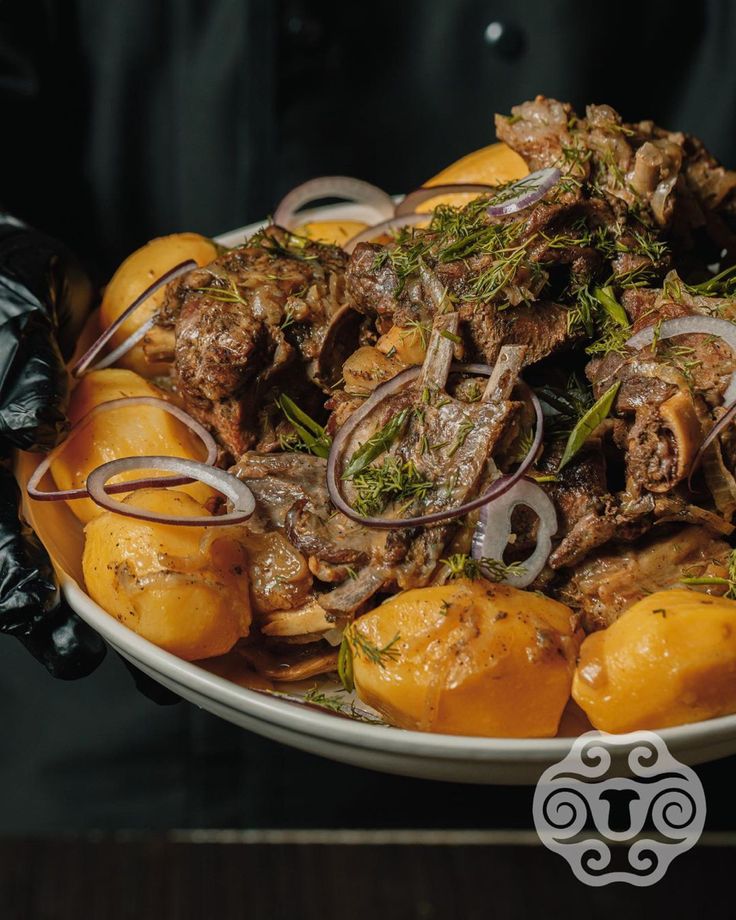
Kuyrdak
Pan-Fried Meat & Organ
A savory dish made from lamb or beef liver, heart, kidneys, and onions, often cooked with potatoes or fat. It's seasoned with salt, pepper, and herbs, offering a flavorful, rich, and energy-packed meal enjoyed particularly in rural regions.
main
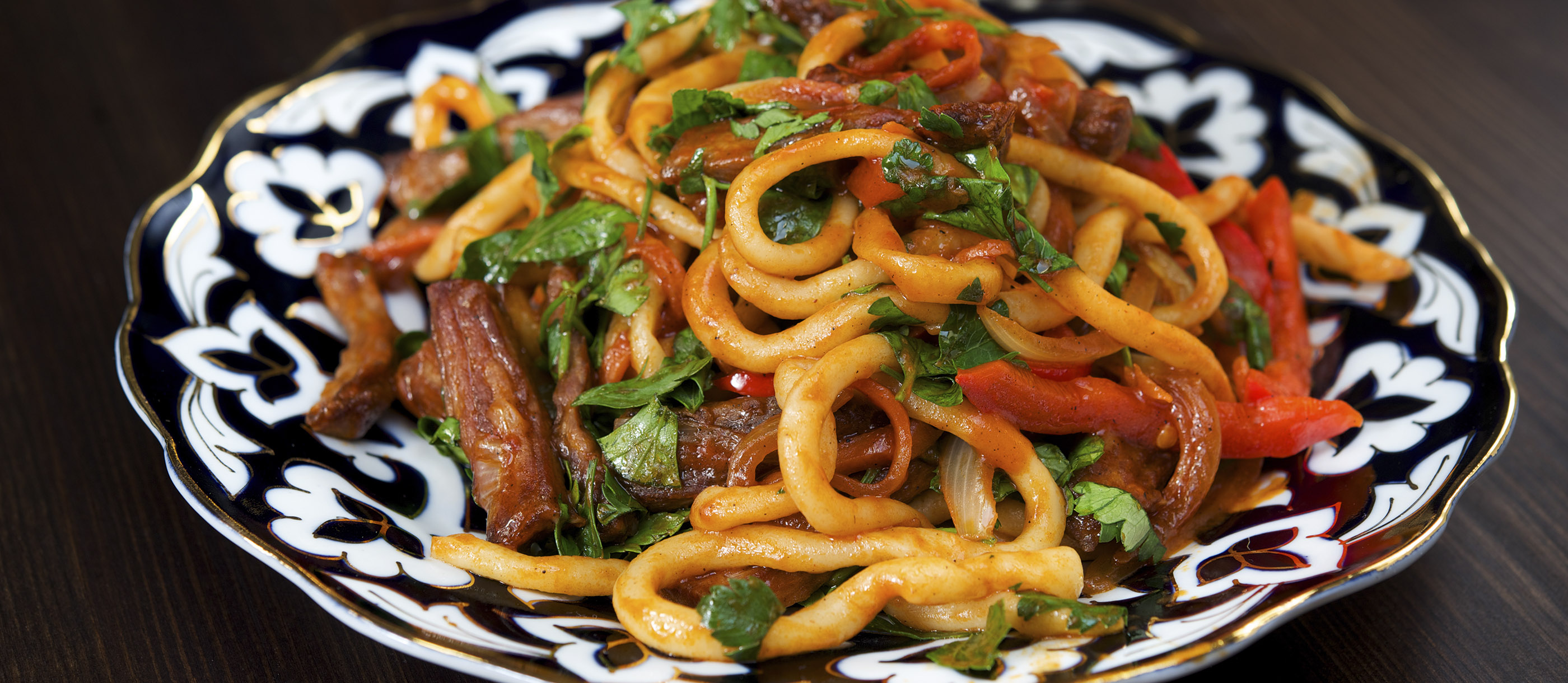
Lagman
Hand-Pulled Noodle Soup
Lagman originates from Uyghur cuisine and is hugely popular in Kazakhstan. It consists of hand-pulled noodles served in a spicy broth with beef or lamb, vegetables, and fragrant spices. It can be served as a soup or stir-fried ('fried lagman').
main
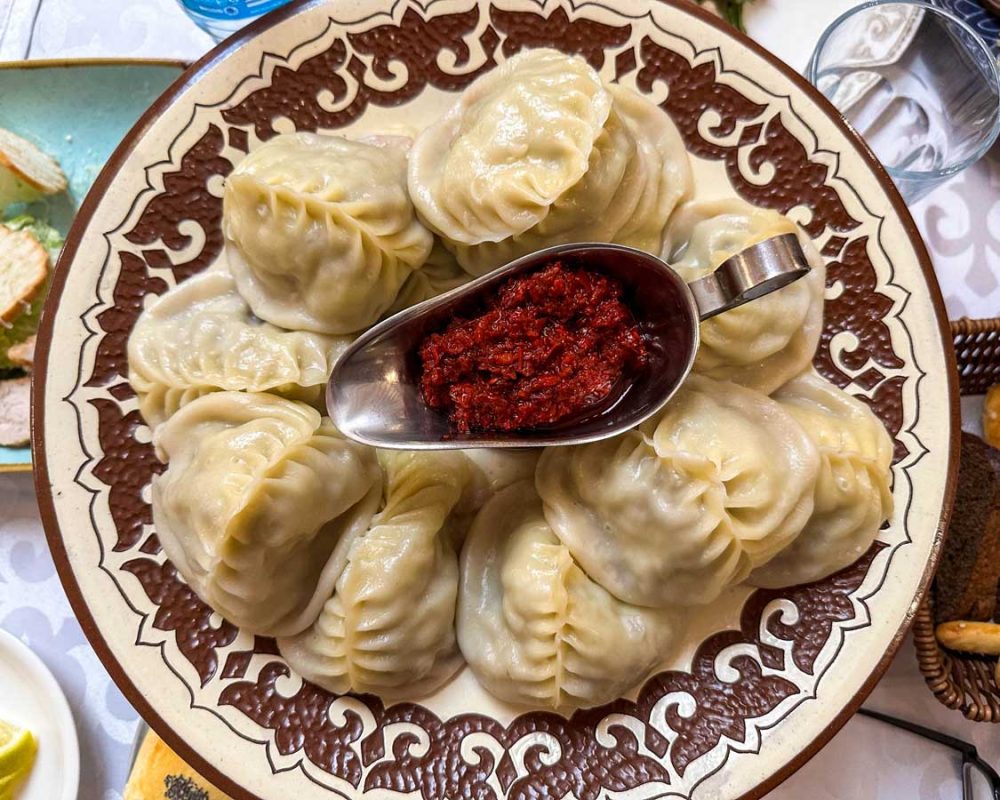
Manti
Steamed Dumplings
These large dumplings are filled with minced meat (usually lamb or beef), onions, and seasonings, then steamed in special pots called mantishnitsa. Served with butter, sour cream, or vinegar, Manti is a common comfort food in Kazakh homes.
main
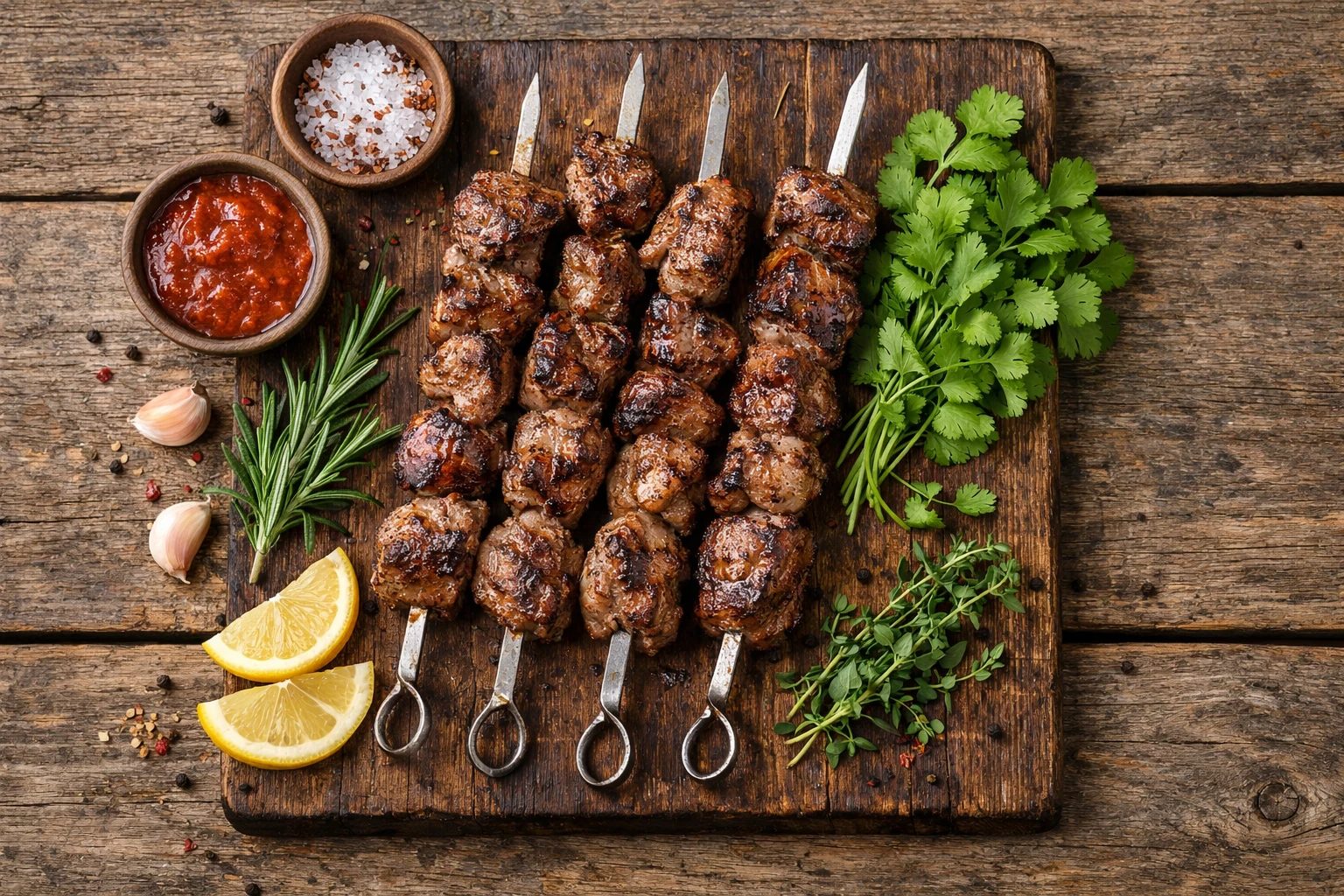
Shashlik
Kazakh Barbecue Skewers
Adapted from Central Asian and Russian traditions, Shashlik consists of marinated meat grilled on skewers, often served with sliced onions, vinegar, and flatbread. Popular at roadside cafés and outdoor gatherings, it's a staple of social dining.
main
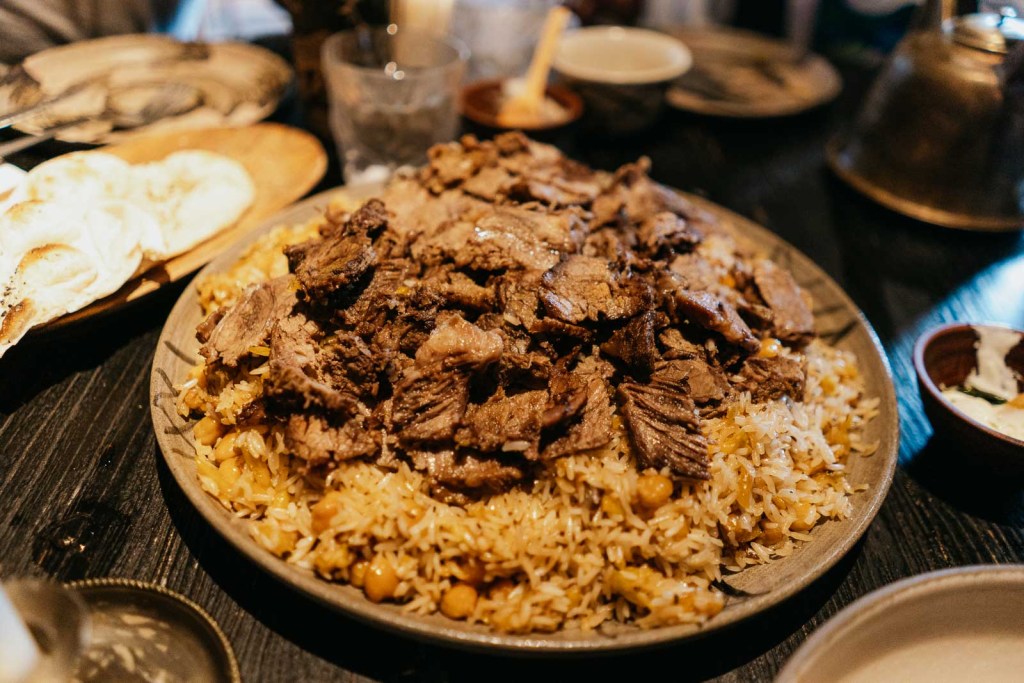
Plov (Pilaf)
Rice with Meat and Vegetables
A traditional dish across Central Asia, Kazakh Plov is made with rice, lamb or beef, carrots, onions, and seasonings, all cooked together in one large pot. It's a hearty, celebratory dish often made for weddings or holidays.
dessert
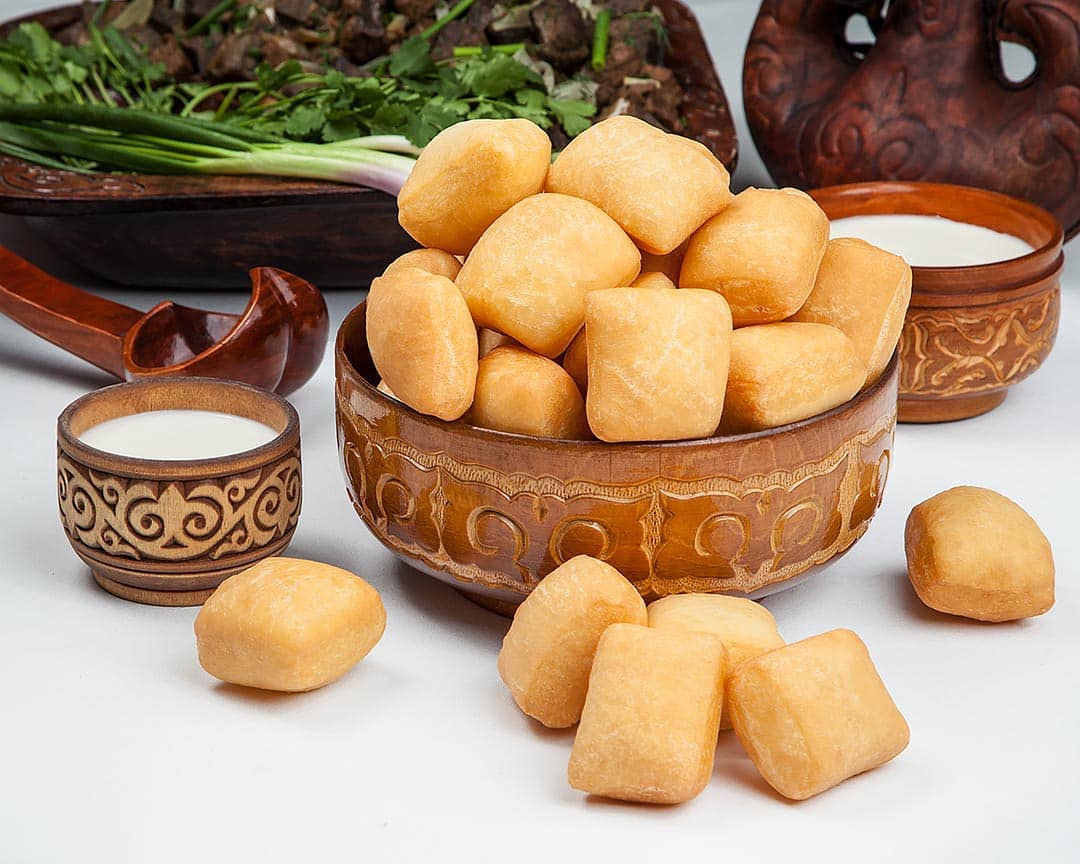
Baursak
Fried Dough Balls
These fluffy, golden dough balls are a beloved Kazakh treat, often served with tea, jam, or honey. Baursak is made from yeast dough, cut into small squares or rounds, and deep-fried. They symbolize hospitality and abundance.
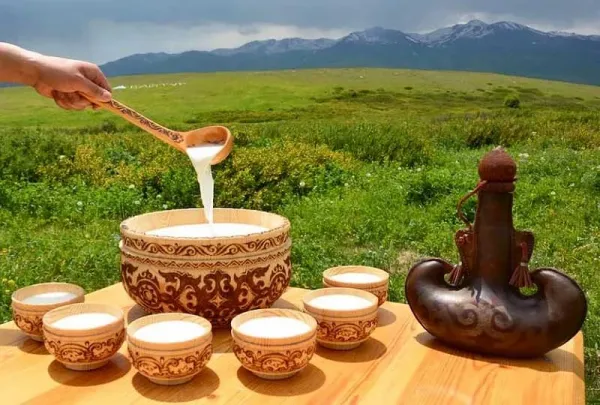
drink
Kumis
Fermented Mare's Milk
A traditional nomadic drink, Kumis is made by fermenting mare's milk. It has a slightly sour taste and is mildly alcoholic. Believed to have health benefits, Kumis is often consumed in the spring and summer and is deeply tied to Kazakh identity.
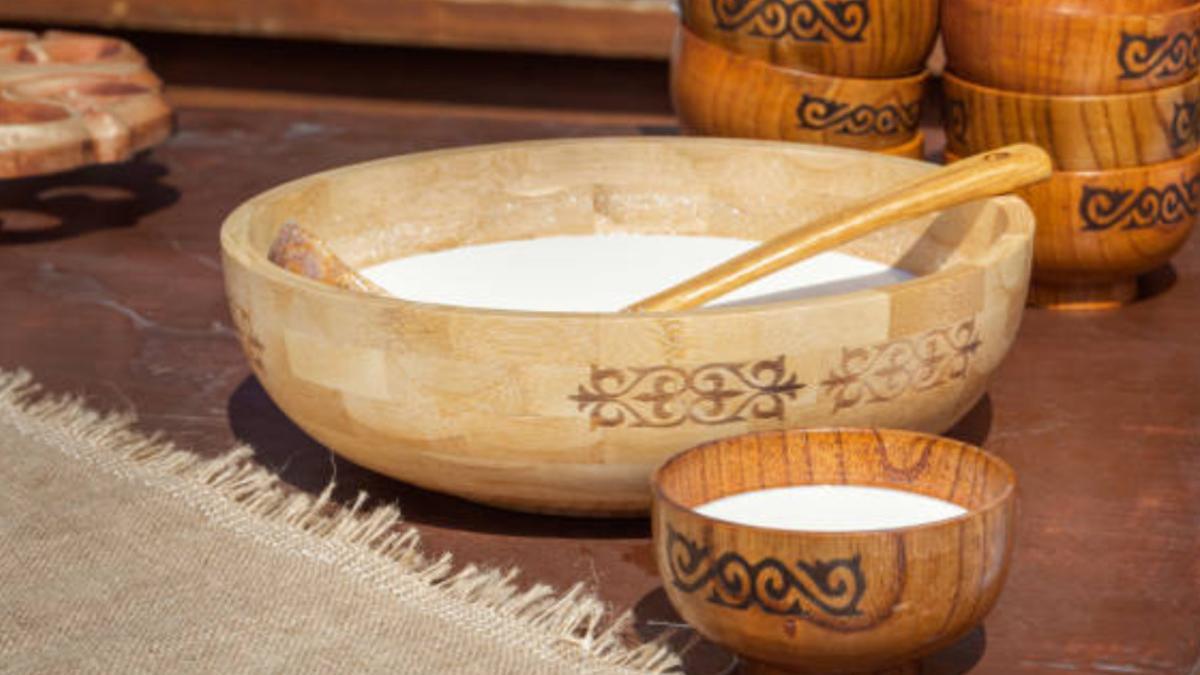
drink
Shubat
Fermented Camel's Milk
Similar to Kumis, Shubat is made from camel's milk and is thicker, creamier, and more nutritious. Popular in southern Kazakhstan, it's highly valued for its digestive and immune-boosting properties.
Student Food Basics
A student view of eating in Kazakhstan: affordable, practical, and city-dependent
Campus canteens
Many universities have canteens or nearby lunch spots that are cheaper than full restaurants.
Dietary choices
Halal food is common in many places, and vegetarian options are easier to find in larger cities.
Everyday groceries
Students often rely on supermarkets, bakeries, and simple home cooking to keep costs predictable.
A Culinary Experience Rooted in Heritage
Kazakh meals are more than just food; they represent community, tradition, and hospitality. Meals are typically shared family-style, often beginning with tea and ending with sweets or fruit. For students, the key takeaway is that food is social, filling, and usually easy to find in larger cities.
If you're a student in Kazakhstan, use traditional food as a cultural experience, but keep your everyday budget and dietary preferences in mind.