Loading page...
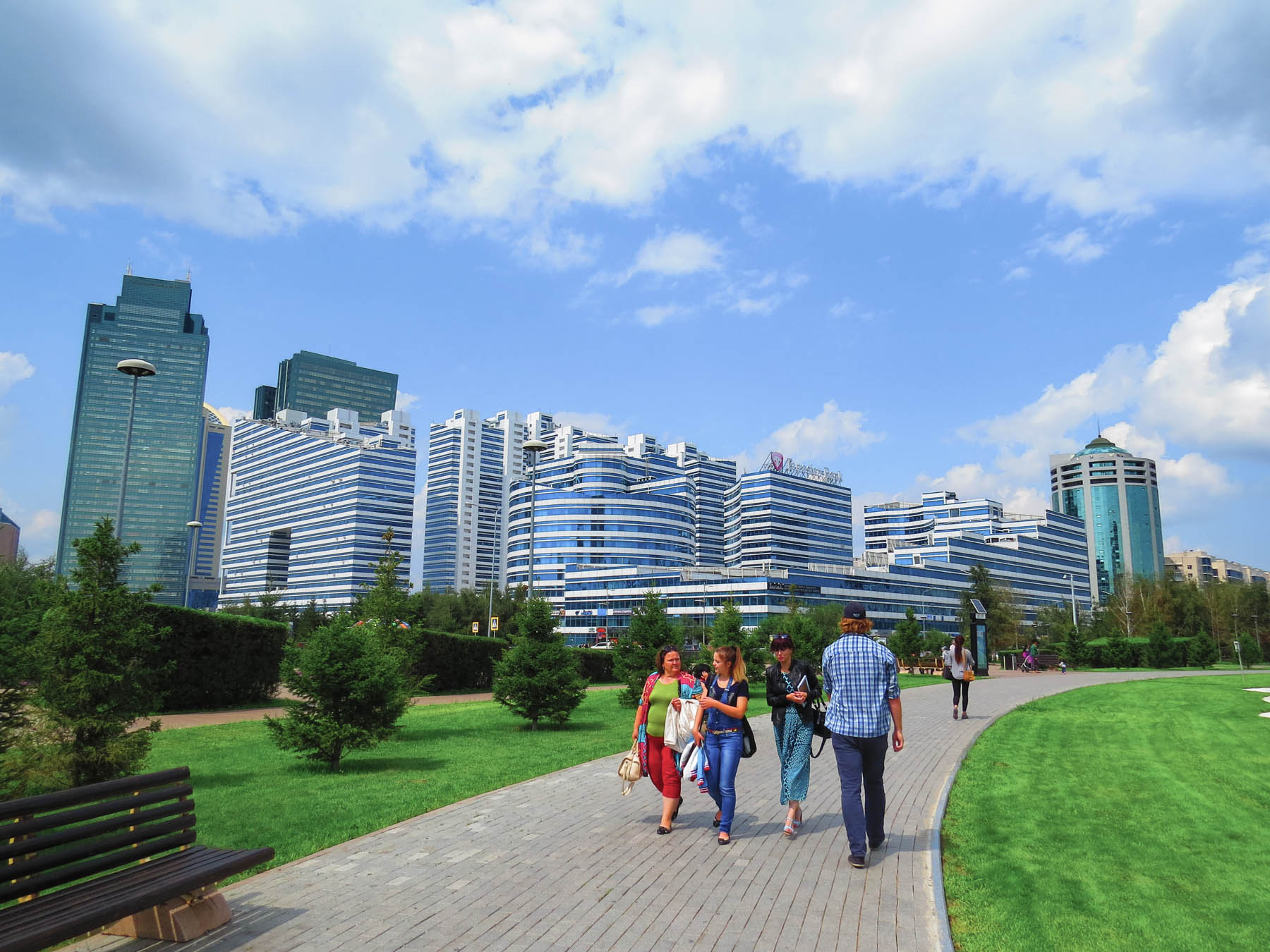
Kazakhstan's Diverse Climate & Weather
A practical guide to seasons, city differences, and what students should pack
Weather changes are significant, especially between the warmer south and the colder central and northern cities.
A Land of Diverse Climates
Kazakhstan's vast expanse encompasses diverse climates, ranging from arid deserts to snow-capped mountains, offering a rich tapestry of weather patterns and natural beauty. The country's continental climate provides a variety of seasonal experiences, but students should plan for strong seasonal swings.
The continental climate is characterized by hot summers and cold winters, with significant temperature variations between seasons. This creates distinct weather patterns across different regions, from the mountainous south to the flat steppes of the north.
Whether you're planning to study in Almaty, Astana, or other cities, understanding Kazakhstan's climate will help you pack correctly and avoid surprises in winter.
Seasonal Highlights
A quick seasonal snapshot for students planning clothes and travel
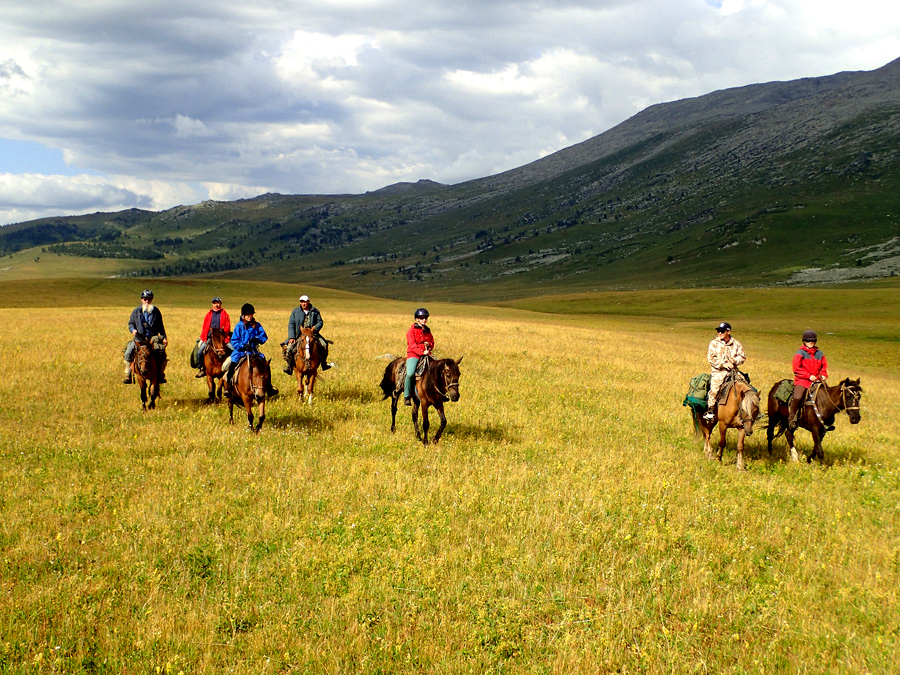
Summer
20°C - 35°C (68°F - 95°F)
Warm and sunny, but still dry enough that shade and hydration matter.
Characteristics:
- Long sunny days
- Low humidity
- Perfect for outdoor activities
- Lakes and rivers are warm
Activities:
HikingSwimmingNature parksLakeside activities
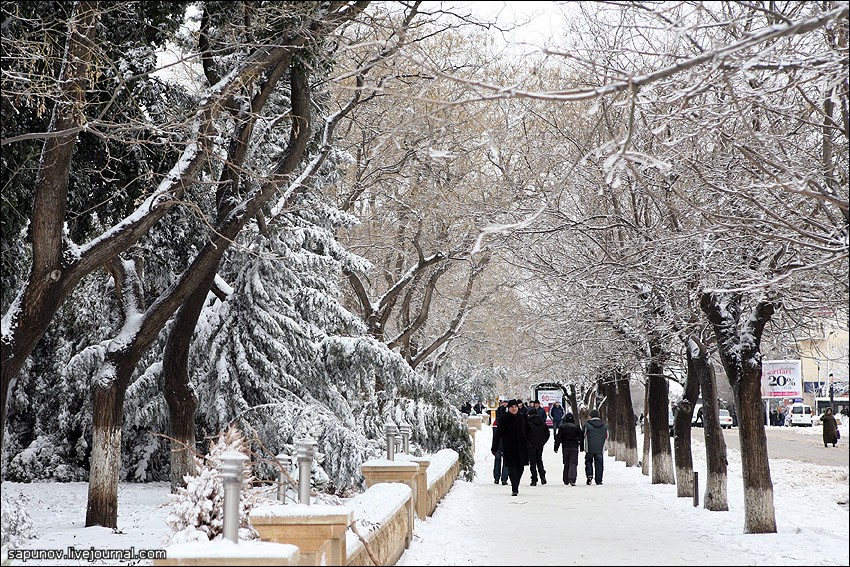
Winter
-15°C - 5°C (5°F - 41°F)
Cold and snowy, with serious wind chill in some cities
Characteristics:
- Snow-covered landscapes
- Cold but dry
- Excellent for winter sports
- Cozy city life
Activities:
SkiingSnowboardingIce skatingWinter festivals
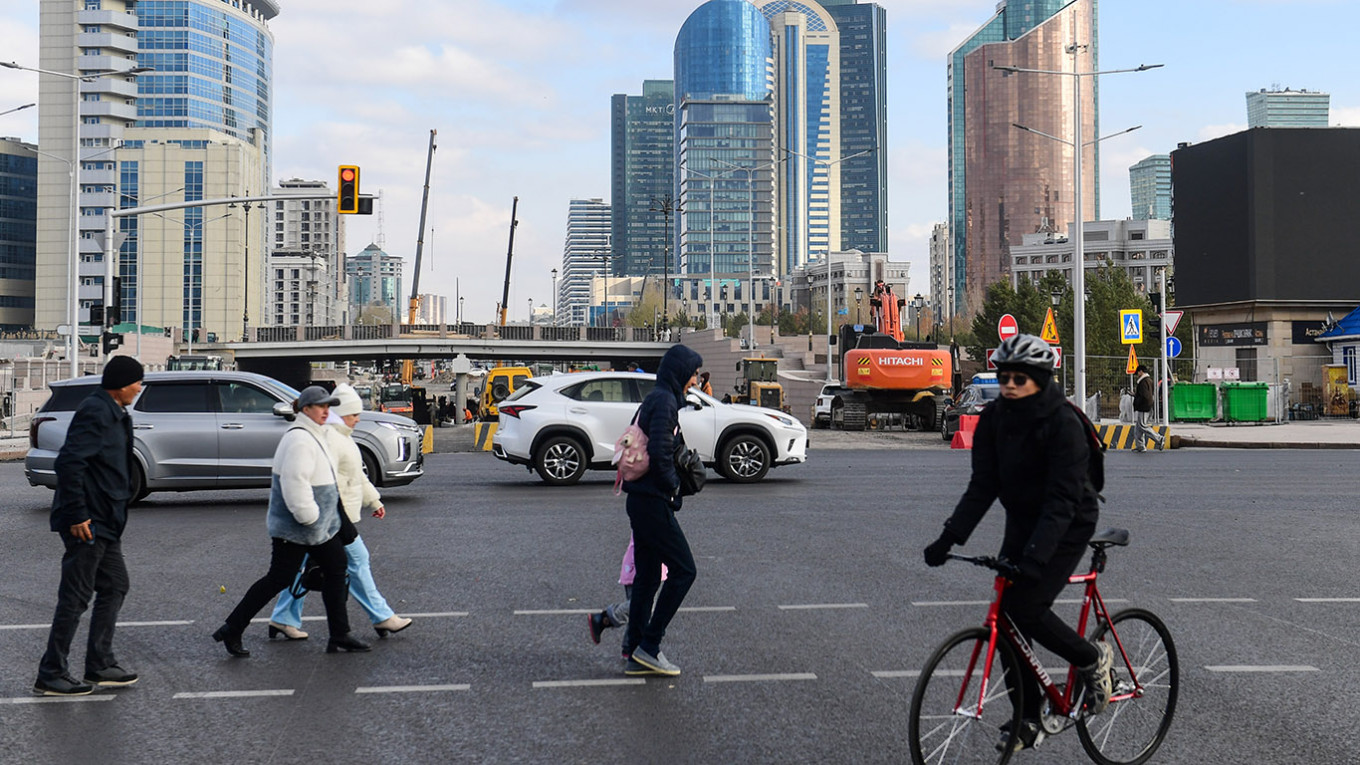
Spring
5°C - 20°C (41°F - 68°F)
Mild and pleasant, though rain and sudden temperature changes are common
Characteristics:
- Blooming landscapes
- Mild temperatures
- Occasional rain
- Nature awakening
Activities:
CyclingHikingNature walksPhotography
Autumn
5°C - 20°C (41°F - 68°F)
Mild and pleasant, with colder evenings arriving quickly
Characteristics:
- Beautiful fall colors
- Mild temperatures
- Clear skies
- Harvest season
Activities:
HikingCyclingPhotographyCultural events
Regional Climate Overview
Climate patterns vary across Kazakhstan's major cities, so city choice really matters.
Almaty
Humid Continental
10°C (50°F)
Summer: 25°C - 30°C
Winter: -5°C - 5°C
Almaty has milder winters than Astana, but mountain weather can change quickly and bring sudden rain or snow.
Astana
Extreme Continental
3.9°C (39°F)
Summer: 20°C - 25°C
Winter: -20°C - 0°C
Astana is known for very cold winters and strong wind chill, so winter clothing matters more here than in many other cities.
Atyrau
Semi-Arid
10.5°C (51°F)
Summer: 28°C - 35°C
Winter: -5°C - 5°C
Atyrau is drier and hotter in summer, with less snow than the northern cities.
Karaganda
Continental
3.5°C (38°F)
Summer: 22°C - 28°C
Winter: -15°C - 0°C
Karaganda has a continental climate with large seasonal differences and cold winters.
Key Climate Characteristics
Continental Climate
Kazakhstan's continental climate features hot summers and cold winters with significant variation between cities and seasons.
Temperature Extremes
Temperatures can swing sharply, especially in the north and center, so layered clothing is important.
Precipitation Patterns
Most regions receive moderate precipitation, with more rain in spring and autumn. Snow is common in winter months, especially in the north, and sidewalks can turn icy or slushy.
Wind Patterns
Kazakhstan experiences various wind patterns, with stronger winds in open steppe areas and mountain regions.
Seasonal Variations
Four distinct seasons, with spring and autumn often feeling short and changeable, so students should check the forecast often.
Weather Patterns & Precipitation
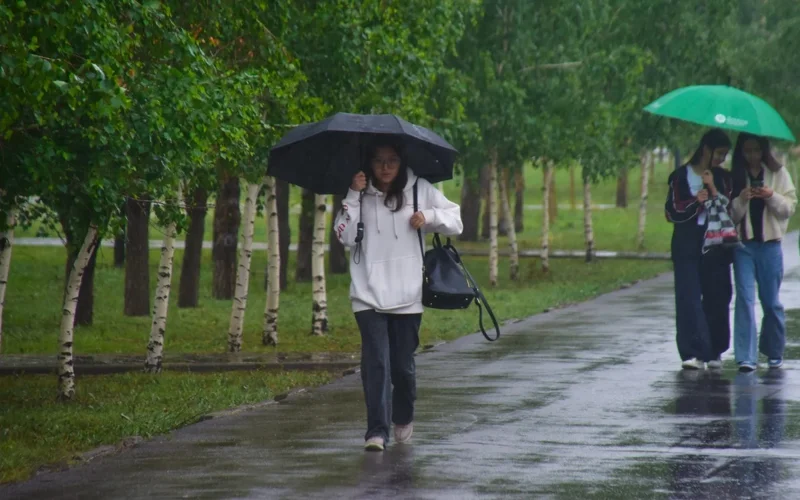
Precipitation & Weather Extremes
Most regions in Kazakhstan receive moderate precipitation, with more rainfall occurring in spring and autumn. Snow is common during winter months, especially in northern and mountainous regions, so students should expect icy sidewalks and strong indoor heating.
Annual Precipitation
Varies widely by region, with drier southern areas and wetter mountain zones
Temperature Extremes
Can vary sharply between city and season, especially in the north
Wind Patterns
Stronger winds in open steppe areas and mountain regions, especially during seasonal transitions
Packing Tips by Season
Winter
- Warm winter coat (down or wool)
- Thermal underwear
- Gloves and warm hat
- Insulated boots
- Scarf and warm socks
Spring/Autumn
- Light jacket or sweater
- Umbrella for occasional rain
- Comfortable walking shoes
- Layered clothing
- Light scarf for cooler days
Summer
- kazakhstanClimateAndWeather.packing.items.summer.list.0
- kazakhstanClimateAndWeather.packing.items.summer.list.1
- Sunscreen with high SPF
- kazakhstanClimateAndWeather.packing.items.summer.list.3
- kazakhstanClimateAndWeather.packing.items.summer.list.4
Activities by Season
Make the most of each season with these recommended activities
Summer
Mountain Hiking
Explore the beautiful mountain ranges and natural parks
Summer
Lakes & Water Activities
Visit Big Almaty Lake, Kapchagay, and enjoy water sports
Winter
Skiing & Snowboarding
World-class ski resorts near Almaty
Winter
Cozy City Life
Enjoy warm cafes, cultural events, and winter festivals
Spring/Autumn
Cycling & Nature Walks
Good weather for exploring parks and countryside
Spring/Autumn
Photography
Capture blooming landscapes in spring and fall colors in autumn
Climate Change & Environmental Awareness
Environmental Challenges
Kazakhstan, like many countries, faces environmental challenges related to climate change. The Caspian Sea, particularly its northern section in Kazakhstan's Atyrau region, is experiencing a dramatic decline in water levels due to climate change and upstream river control.
Over the past 20 years, the sea has retreated by 20 to 30 km, severely impacting local communities and biodiversity. This highlights the importance of environmental conservation and sustainable practices.
Conservation Efforts
Kazakhstan is actively working on environmental protection initiatives and sustainable development. As international students, understanding and respecting the local environment is an important part of your experience.
Support local conservation efforts
Practice sustainable living
Respect natural areas and parks
Learn about local environmental initiatives